
If you are in the market for fresh beans and peas, the first step is to find a reliable importer. Most peas and beans come in fresh packs, but some varieties are also sold frozen, such as sugar snaps. In developing countries, you may combine frozen and fresh peas and beans to increase the amount of their exports. For further information, visit the Europages database, which contains a list of European pea and bean companies.
If you are exporting to the EU, ensure you find a reliable importer and supplier. There are strict regulations on beans and peas in the EU, which is why it’s vital to find a supplier who has compliance certification. In addition, check for MRLs, which refer to the number of pesticides and herbicides used during production. Ensure your beans and peas are safe to eat by making sure they are produced under strict standards.
In 2017, Belgium was the largest fresh pea importer in the EU, with a share of about 3.2 thousand tonnes coming from countries like Guatemala, Zimbabwe, and Kenya. The Netherlands also imported a smaller share directly from developing countries, including Peru. In 2017, the Netherlands, the United Kingdom, and France were the primary destinations for sugar snap peas and snow peas, with a small percentage being imported directly. The Belgian pea and bean importers in these countries were primarily used for processing.
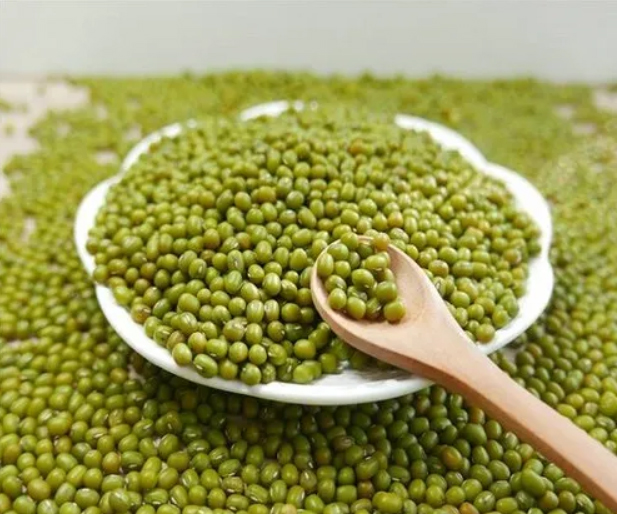
Green Mung Bean
Green Mung Bean (also known as green gram, Hindi: Moong, Gujarati: Mug) are little green seeds that are yellow inside. They have been consumed by Indians for centuries. Mung beans are used for both sweet and savory dishes in Indian cooking. They are eaten as whole, Sprouted, split with skin (Mung Chhilka) on and split without skins (Mung Dhuli)
Black Matpe
Black Matpe (also known as black gram, black lentil, Hindi: Urad, Gujarati: Adad) is a little black seed with a white interior. It is very similar to a Mung bean in size and shape but tastes entirely different. They are eaten as whole, split with skin (Urad Chilka) on and split without skins (Urad Dhuli). The popular, and amazing, Dal Makhani is made with Urad. Papad are usually made with Urad Dal as well.

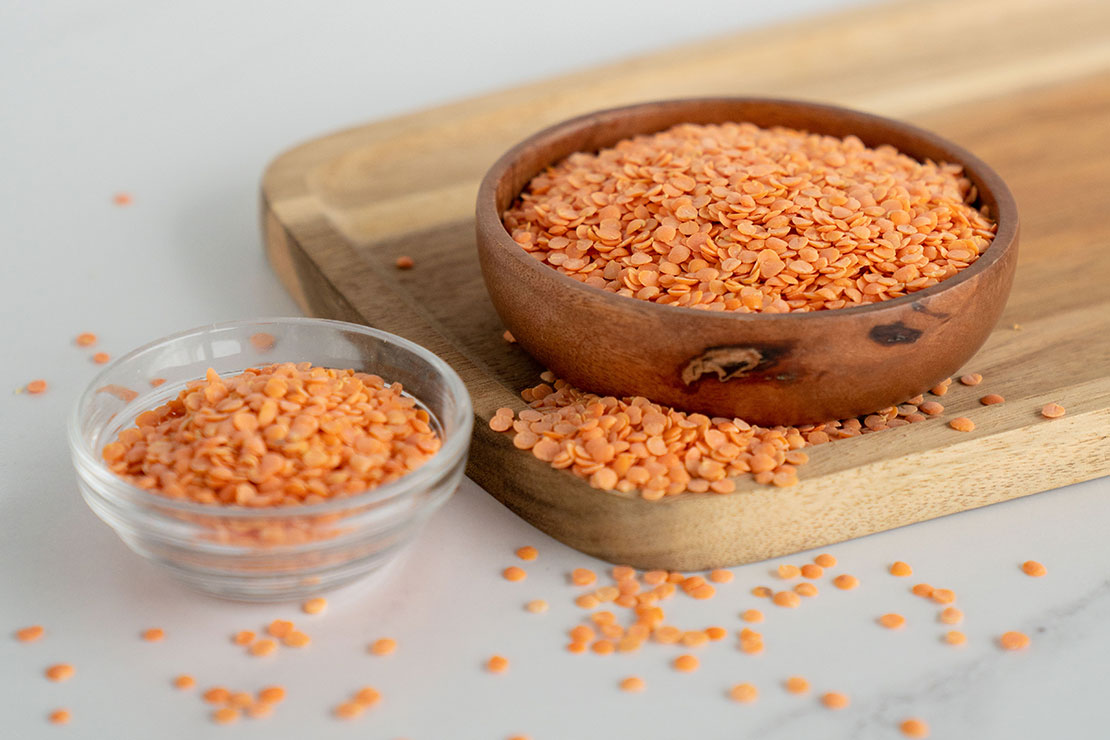
Red Lentils
Red Lentils (also known as Lal Masoor) is a brown skinned lentil that is orange on the inside. They are eaten as whole (Masoor Kali), without skin (Malka Masoor Dal) and Split without skin (Masoor Dal). Masoor dal has a pleasant earthy flavor and is very common in Northern India. It is commonly used to make Dal, soups and stews.
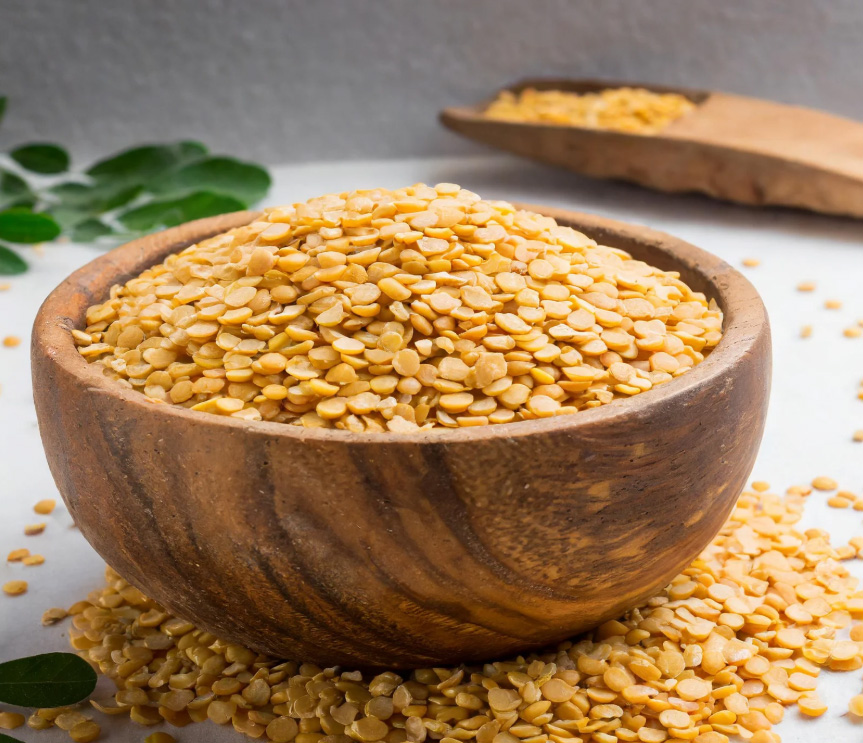
Toor
Toor (also known as Pigeon Pea & Arhar) is a beige lentil with a yellow interior. This is the most important pulse in a Gujarati household. The fresh peas are highly prized and used for curries and stuffing in spicy hand pies. They have a delicious nutty flavor that is very distinctive. The dried and split peas are a staple in everyday cooking as well. The famous Gujarati Dal is made with this pea where the balance between spicy, sweet and sour is most important.
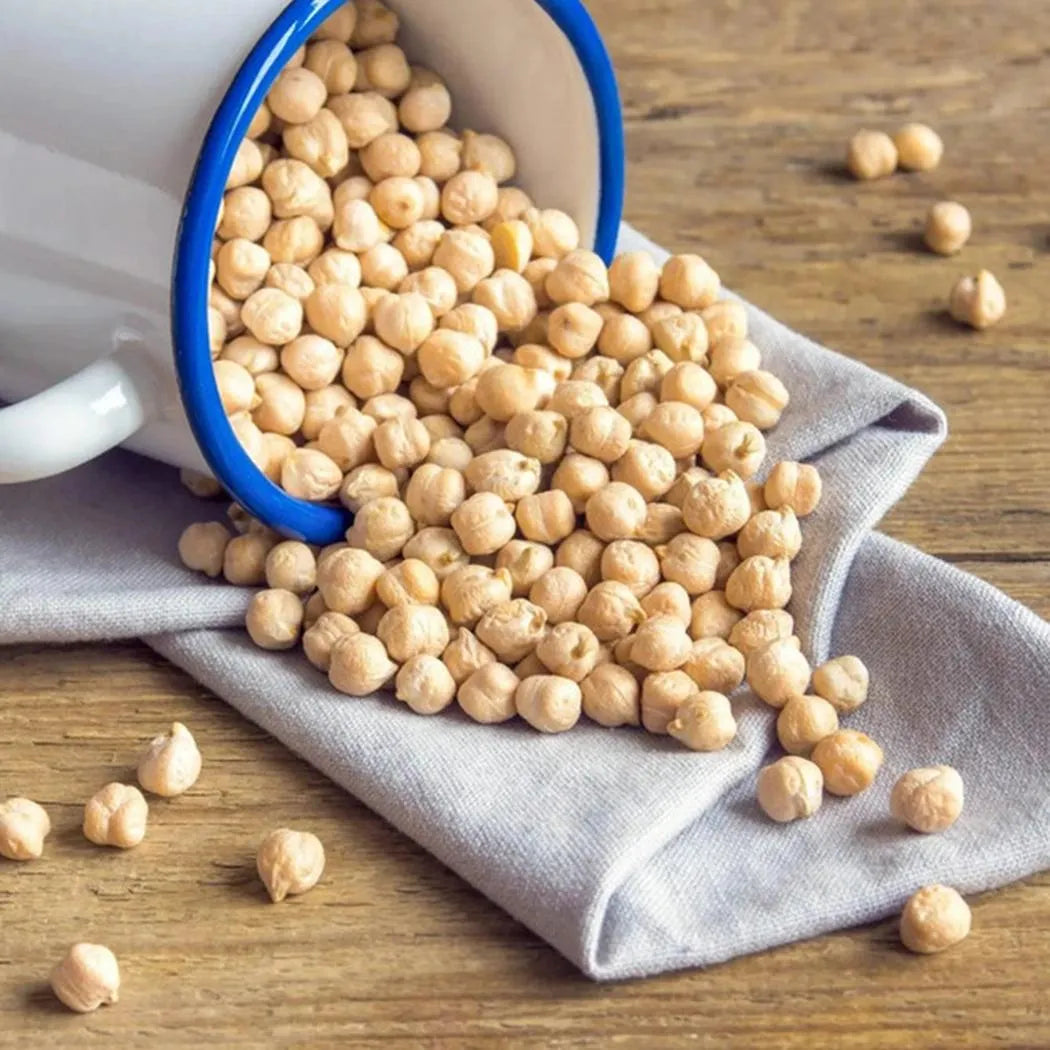
Chickpeas
Chickpeas (also known as Garbanzo Beans, Bengal Gram, Hindi: Chana, Gujarati: Chana) are found in two forms, the smaller dark skinned beans known as Desi Chana and the larger white skinned beans known as Kabuli Chana. Chana are commonly eaten in India in as whole beans, as split lentils and a multitude of dishes are also made with Chickpeas flour (known as Besan). Chana Masala is the most popular dish made with Kabuli Chana. Chana are slightly nutty in taste. The brown ones are earthier in flavor and tend have a drier texture.
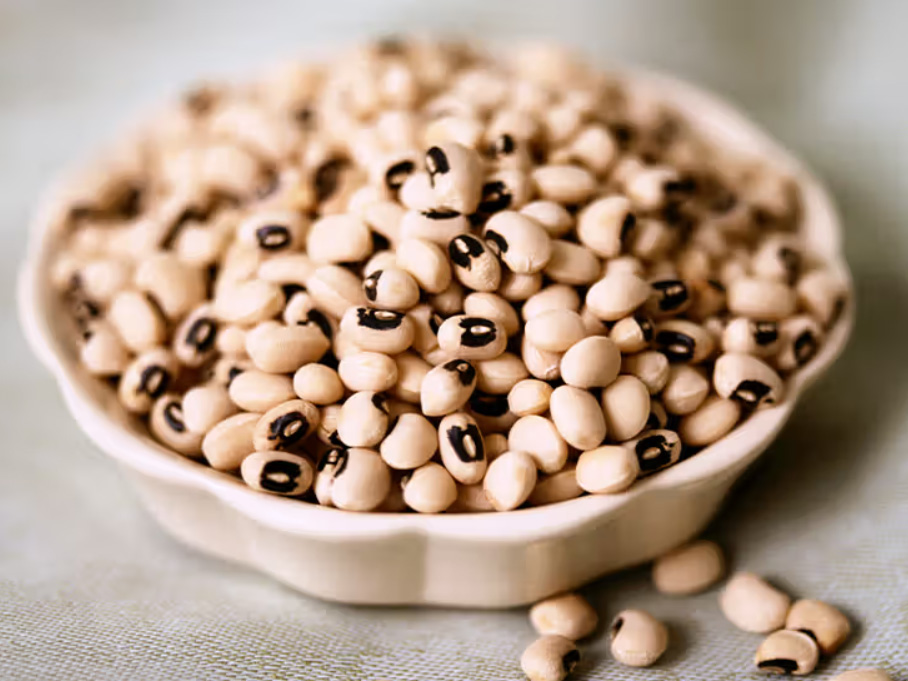
Black-Eyed Bean
Black-Eyed Bean (also known as cow pea, Hindi: Lobhia, Gujarati: Chora, Maharashtra: Chawali) have a distinctive flavor and are an all around pulse in Indian cuisine. They’re used to make curries, Dals, Papads and fritters.
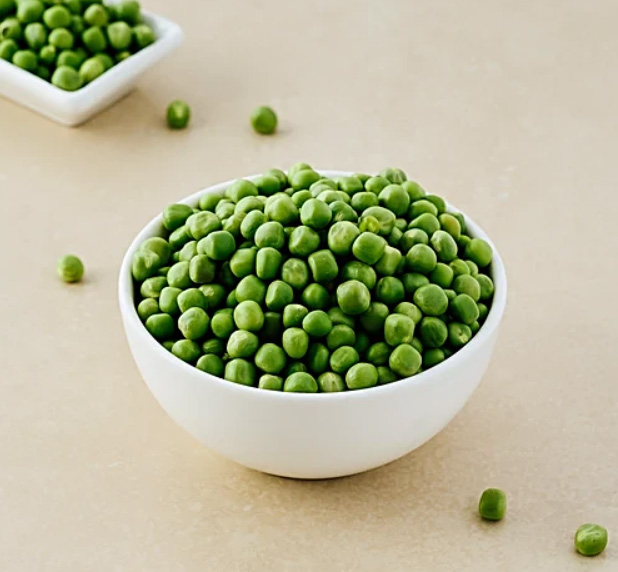
Peas
Peas (Hindi: Matar, Gujarati: Vatana) Although split peas are uncommon in Indian cuisine, whole dried peas have a mild earthy flavor and a hearty mouth feel and texture. They are used for one the most beloved street food stews called Ragda. Peas are of two type Yellow Peas & Green Peas. Due to high consumption in India it has import from other countries like Canada , Russia and America.
Red Kidney Bean
Red Kidney Bean (Hindi: Rajma, Gujarati: Rajma) Kidney beans have a strong earthy flavor and nice silky texture. They are made into a delicious curry simply called Rajma. It is delicious eaten with rice. It is important to note that kidney beans can be toxic if not cooked properly. They must be pre-soaked and boiled for at least 30 minutes to ensure they are safe for eating. Do not cook them in the slow cooker because that multiplies their toxicity. They are also imported from other countries like Myanmar, Argentina, America and China.

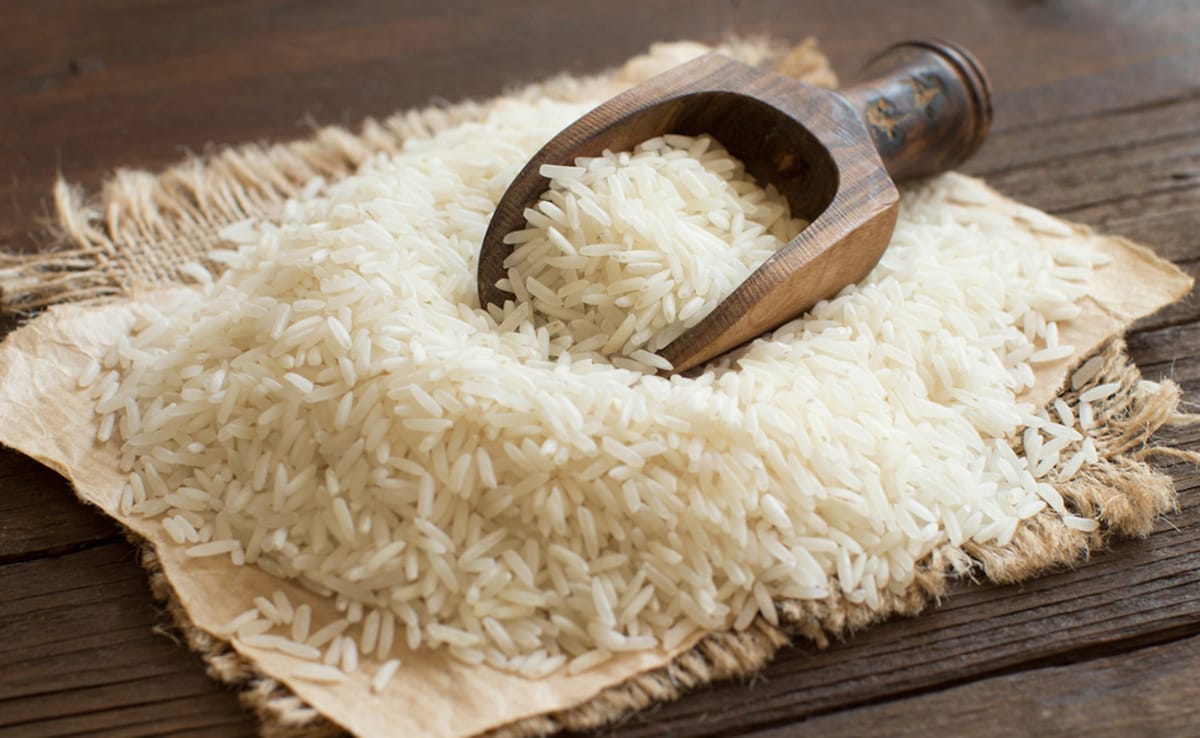
Rice
Myanmar, a major rice-producing country, boasts diverse rice varieties suited to different regions and climates. Popular types include Emata, a high-yield, short-grain variety ideal for export, and Nga Sein, a traditional aromatic rice favoured locally. Shwebo Pawsan, known for its fragrance and soft texture, is highly prized and often compared to Thai jasmine rice. Upland and deep-water varieties like Ka Yin Ma thrive in specific environments, ensuring resilience. Myanmar’s rice types are categorized by season—monsoon or summer—and grain quality. These varieties not only support food security but also reflect Myanmar’s rich agricultural heritage and play a vital role in its economy.
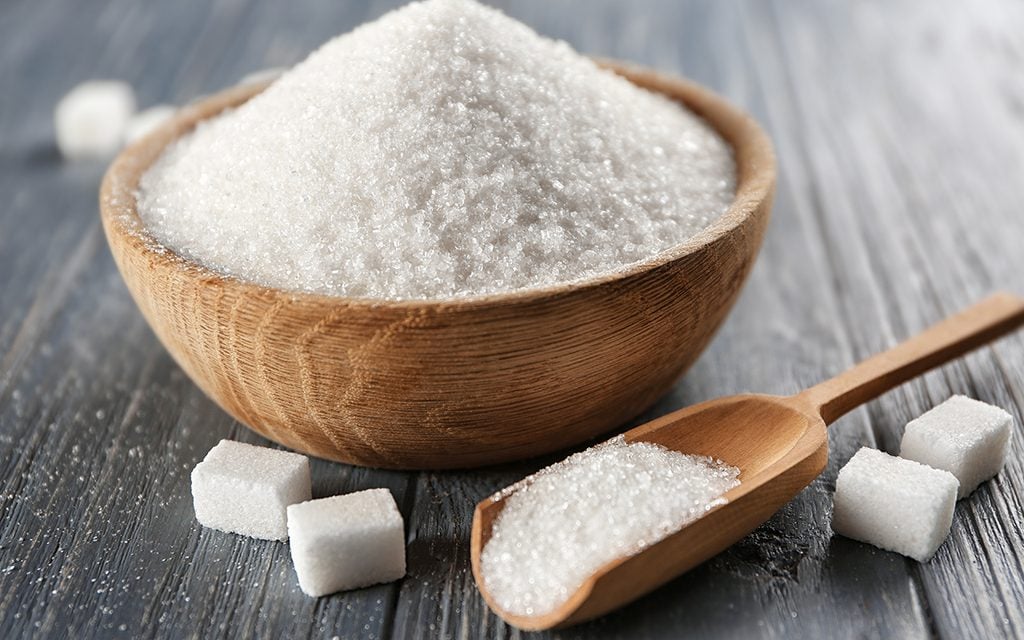
Sugar
Myanmar’s sugar sector, anchored by the Myanmar Sugar and Cane Related Product Association (MSCRPA or MSSRPA), handles both domestic demand and limited export activity. The country cultivates sugarcane across roughly 430,000–450,000 acres—mainly in Sagaing, Shan, Bago, Yangon, and Mandalay regions—producing an estimated 450,000 tonnes of sugar annually .
Myanmar exports a portion of its sugar surplus—primarily to Vietnam, with export volumes in the tens of thousands of tonnes per season. China was a former export market, but that trade ceased amid Beijing’s stricter import controls Efforts to expand include plans for three new sugar mills under the 2023‑2024 budget year to increase processing capacity. The overall strategy emphasizes self‑sufficiency first, with surplus production allocated to foreign markets.
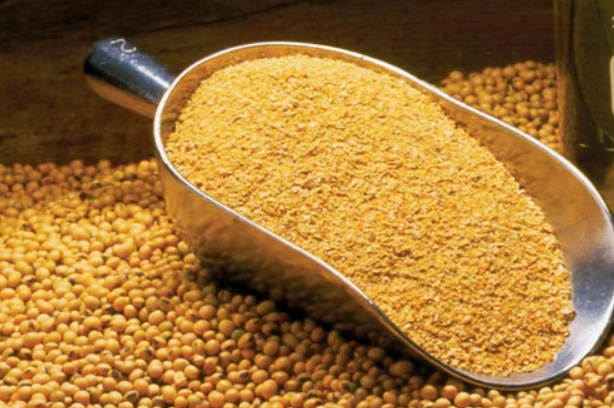
Soya Bean Meal
Myanmar, a major rice-producing country, boasts diverse rice varieties suited to different regions and climates. Popular types include Emata, a high-yield, short-grain variety ideal for export, and Nga Sein, a traditional aromatic rice favoured locally. Shwebo Pawsan, known for its fragrance and soft texture, is highly prized and often compared to Thai jasmine rice. Upland and deep-water varieties like Ka Yin Ma thrive in specific environments, ensuring resilience. Myanmar’s rice types are categorized by season—monsoon or summer—and grain quality. These varieties not only support food security but also reflect Myanmar’s rich agricultural heritage and play a vital role in its economy.