Agriculture is the backbone of many economies, especially in developing countries. However, beyond food and fiber, agriculture also produces a significant volume of waste—in the form of straw, husks, stalks, leaves, and animal manure. Traditionally, agricultural waste was either left to decompose, burned in open fields, or dumped into landfills, contributing to environmental pollution and health hazards. Today, however, this waste is increasingly being viewed as a valuable energy resource.
The use of agricultural waste for biomass-based electricity generation represents a promising strategy for rural electrification, waste management, climate change mitigation, and economic development. This article explores the entire ecosystem of electricity generation from agricultural biomass: its principles, processes, benefits, challenges, and global relevance.
Energy Potential of Agricultural Waste
Globally, agriculture generates over 5 billion tons of biomass annually. Of this, a significant portion—estimated at 30% to 40%—is usable for energy after accounting for soil needs and animal feed.
- India produces over 500 million tons of crop residues annually, with an energy potential of 18 GW.
- China has massive potential from rice straw, corn stalks, and animal manure.
- Africa produces abundant cassava, sugarcane, and maize waste suitable for energy.
Calorific Values of Common Agricultural Wastes (approximate):
| Feedstock | Calorific Value (kcal/kg) | |
| Rice husk | 3000–3500 | |
| Wheat straw | 3200 | |
| Sugarcane bagasse | 2200–2700 (wet), 3700 (dry) | |
| Coconut shell | 4000 | |
| Cotton stalk | 3800 | |
Advantages of Agricultural Biomass Electricity
✅ 1. Renewable and Abundant
Agricultural waste is generated continuously and is readily available in rural areas.
✅ 2. Reduces Pollution
Open burning of crop residues causes severe air pollution. Biomass power offers a cleaner alternative.
✅ 3. Provides Rural Electrification
Small-scale biomass power plants can supply off-grid villages with reliable electricity.
✅ 4. Creates Jobs and Income
Farmers can earn extra income by selling waste. Jobs are created in collection, transportation, processing, and plant operation.
✅ 5. Enhances Energy Security
Biomass reduces dependence on imported fossil fuels and increases local energy resilience.
✅ 6. Supports Circular Economy
Residues become energy sources, and the byproducts (ash, slurry) return to the soil as fertilizers.
Electricity generation from agricultural waste biomass is an impactful and scalable solution to many pressing challenges: rural energy access, environmental pollution, unemployment, and fossil fuel dependence. With supportive policies, modern technology, and farmer engagement, agricultural biomass can transform rural landscapes into hubs of sustainable power production.
While challenges remain in logistics, financing, and infrastructure, the opportunity to turn waste into wealth is enormous. Countries with strong agricultural bases stand to benefit the most, turning farms into not just food factories, but energy generators for the future.
The transition to clean, circular, and locally driven power systems will not only illuminate homes but also empower rural communities and protect the environment for generations to come.
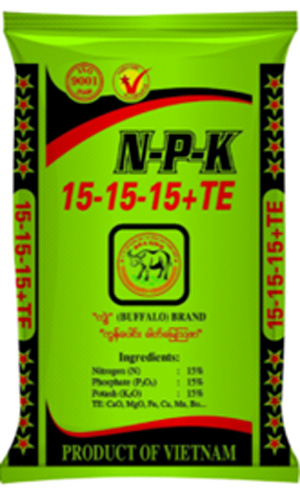
NPK 15:15:15 + TE
Nitrogen – 15
Phosphorus – 15
Potassium – 15
TE – Trace Elements
It promotes balanced plant growth, improves root development, and enhances flowering and fruiting. Ideal for general-purpose use in gardens, vegetables, and crops, it ensures uniform nutrient availability for healthy plant development.
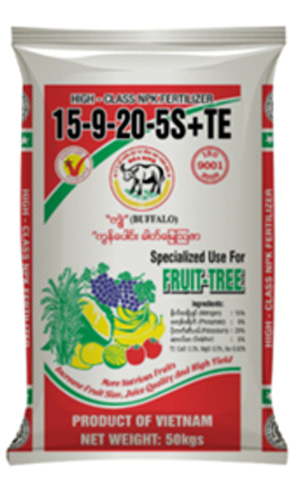
NPK 15:9:20 + TE
Nitrogen – 15
Phosphorus – 9
Potassium – 20
TE – Trace Elements
It supports strong leaf and stem growth (N), moderate root development (P), and boosts fruiting and disease resistance (K). Ideal for flowering and fruit-bearing plants, it ensures balanced nutrition during mid to late growth stages for better yield.
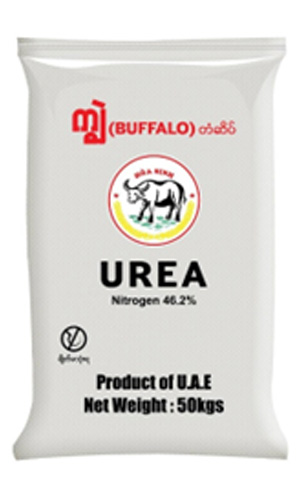
Urea 46.2% nitrogen
Urea 46.2%
Nitrogen – 46.2
Urea with 46.2% nitrogen is a highly concentrated fertilizer used to promote rapid plant growth, especially in leafy vegetables and cereals. It supports chlorophyll production and overall development. Best applied during active growth phases, it should be used carefully to avoid nitrogen burn and environmental runoff.